Frequently Asked Questions
What is full retirement age for Social Security?
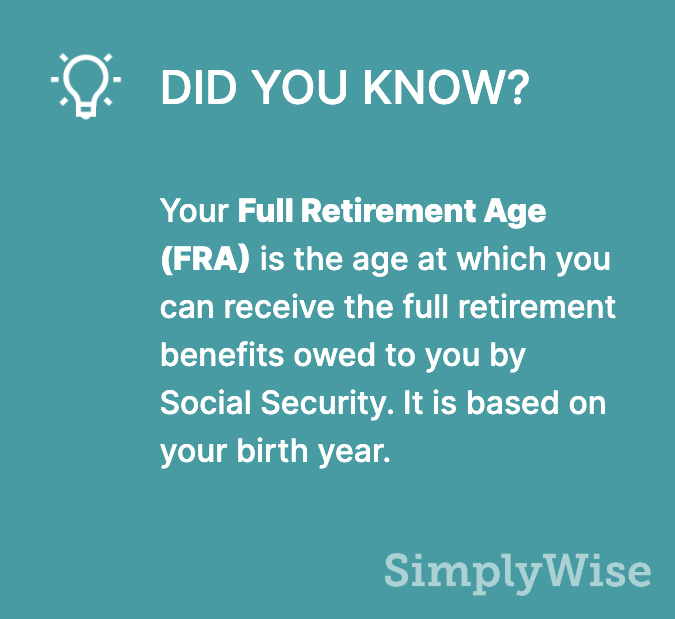
Full Retirement Age, often shortened to FRA, is the age at which you can receive the full retirement benefits owed to you by Social Security. If you take your retirement benefit at that age, you receive your full Primary Insurance Amount, which is the amount Social Security owes you when you claim at your full retirement age. Claiming after your full retirement age gets you more than that amount, and claiming before it gets you less.
Is full retirement age the same for everyone?
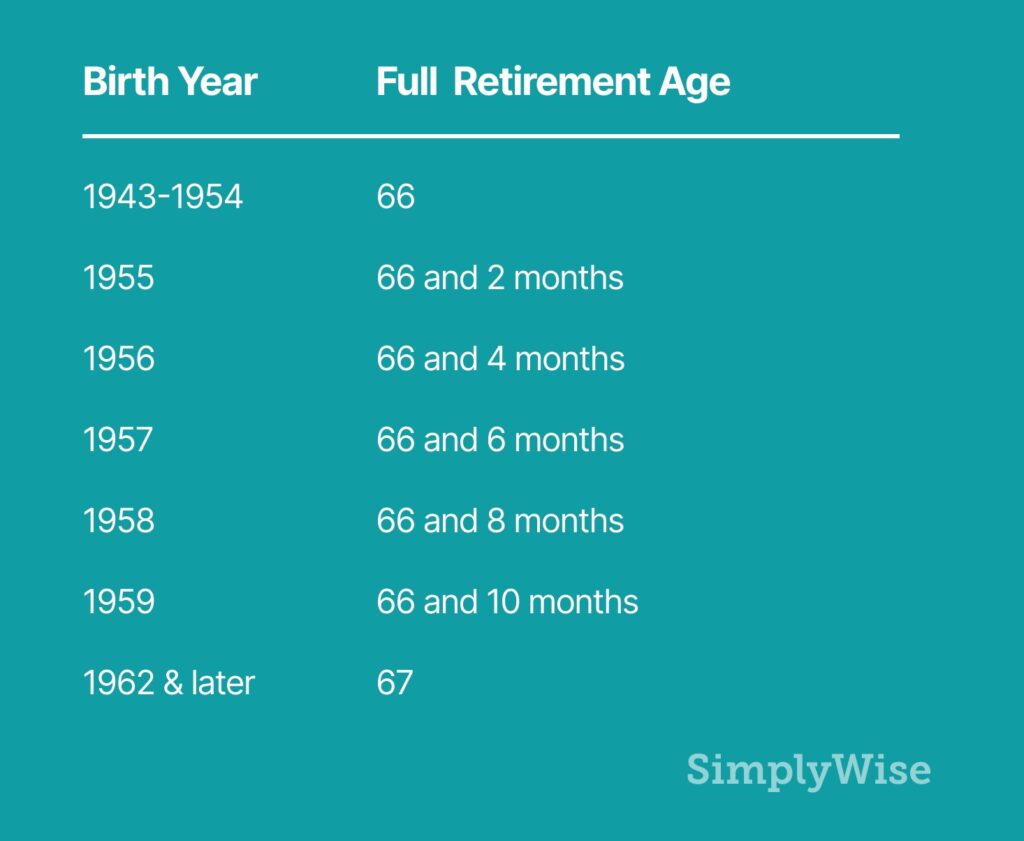
No. Full retirement age is not a universal thing; it is calculated based on the year that you were born. There is also a quirk for people born on the first of a month, because the Social Security Administration determines your benefit as if you were born in the previous month. Someone born on January 1, 1955 is treated as having been born in December 1954, which makes their full retirement age 66 instead of 66 and 2 months.
What is the earliest age you can start receiving Social Security retirement benefits?
The earliest you can start receiving retirement benefits is age 62. Because of a Social Security Administration technicality, you must be 62 for a full month before benefits can begin. Claiming at that point means receiving less than your Primary Insurance Amount, since any claim before your full retirement age permanently lowers the monthly figure.