How to Write a Construction Proposal That Wins Every Time
The exact structure, language, and presentation that turns estimates into signed contracts.
The $80,000 Lesson
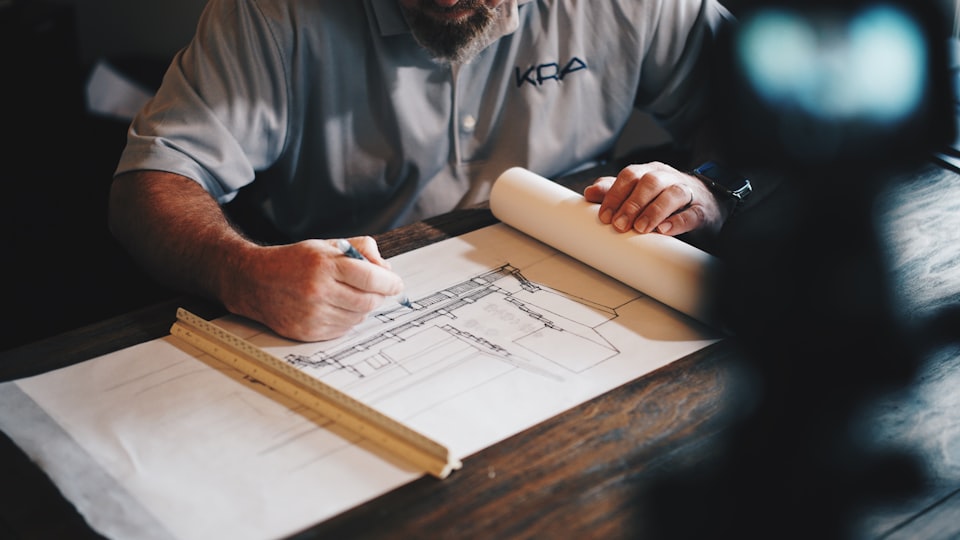
A general contractor in Phoenix walked a full kitchen and master bath remodel with a homeowner couple last spring. Three-hour site visit. He measured everything, talked through finishes, explained his process. They loved him. He went home and typed up a one-page estimate in a Word doc: line items, a total at the bottom, his phone number. Sent it over that night.
Two weeks later, the homeowners signed with another contractor whose price was actually higher. When the GC asked what happened, the wife told him straight: “The other guy’s proposal just felt more professional. We could see exactly what we were getting.”
That job was worth about $80,000. He lost it not because of his skills or his price, but because his proposal did not match the quality of his work.
This happens constantly. Contractors who are excellent at building things submit proposals that look like they were written in five minutes. And homeowners, who are about to hand over tens of thousands of dollars to someone they barely know, use the proposal as a proxy for how organized and trustworthy the contractor will be on the job.
Your proposal is your first deliverable. It is the client’s first look at how you communicate, how you organize information, and how seriously you take their project. This guide covers exactly what goes into a construction proposal that wins, how to structure it, and how to avoid the mistakes that cost contractors work every week.

What Goes in a Winning Proposal
A winning construction proposal is not a spreadsheet with a number at the bottom. It is a document that answers every question the client has before they have to ask it. Here are the components that separate proposals that get signed from proposals that get ignored.
1. Scope of Work
This is the backbone. Every task you plan to perform should be listed in plain language. Not “demolition” but “Remove existing kitchen cabinets, countertops, backsplash, and flooring. Haul all debris to dumpster. Broom-clean the space before new work begins.”
The more specific your scope, the fewer disputes you will have later. Specificity also makes your proposal feel thorough, which builds confidence. Clients read vague scope descriptions and wonder what you are leaving out.
2. Timeline and Milestones
Give a projected start date, key milestones, and an estimated completion date. You do not need a full Gantt chart for a residential job, but something like this works:
- Week 1-2: Demolition, rough framing, plumbing and electrical rough-in
- Week 3: Inspections, insulation, drywall
- Week 4-5: Cabinets, countertops, tile, finish electrical
- Week 6: Paint, trim, fixtures, final walkthrough and punch list
Clients love timelines. It gives them something concrete to plan around, and it shows you have actually thought through the sequencing of the work.
3. Payment Terms
Spell out exactly how and when you expect to be paid. A common structure for residential work:
- Deposit: A percentage due at contract signing to secure the start date and order materials
- Progress payments: Tied to milestones, not calendar dates. Example: next payment due when rough-in is complete and passes inspection.
- Final payment: Due at substantial completion and client walkthrough
Tying payments to milestones protects both sides. The client knows they are paying for completed work, and you are not financing the project out of your own pocket.
4. Exclusions
This section is just as important as the scope. Explicitly state what is NOT included. Common exclusions:
- Permit fees (or note if they are included)
- Architectural or engineering drawings
- Furniture removal or storage
- Landscaping repair if equipment damages the yard
- Asbestos or lead paint abatement
- Work behind walls that requires structural repair beyond what is visible
Exclusions prevent the “I thought that was included” conversation that kills relationships and margins. When a client sees a clear exclusions list, they actually trust the proposal more because it feels honest.
5. About Your Company
Include a short section about who you are. Two to three paragraphs maximum. Cover how long you have been in business, what types of projects you specialize in, and your license and insurance information. If you have any notable projects or certifications, mention them here.
This section is especially important when the client found you online or through a referral and has not met you in person yet. It gives them a reason to feel good about choosing you over someone they have never heard of.
A complete proposal covers scope, timeline, payment terms, exclusions, and a brief company overview. If any of these five elements are missing, you are giving the client a reason to hesitate.

The 1-Page Executive Summary Trick
Here is something most contractors never think about: the person you hand your proposal to is often not the only decision-maker. There is a spouse, a business partner, a property manager, or a board. Your proposal will get passed around, and whoever did not meet you is going to flip through it quickly.
That is why your first page should be a standalone executive summary that covers everything a decision-maker needs in 60 seconds:
- Project name and address
- One-sentence project description: “Complete kitchen remodel including new cabinets, quartz countertops, tile backsplash, hardwood flooring, and updated plumbing and electrical.”
- Total project cost
- Estimated duration: Start to completion
- Payment structure: A one-line summary
- Your name, company, license number, and phone number
Think of it like a cover letter for your proposal. The detailed scope, timeline, and terms follow on subsequent pages. But that first page is what gets pinned to the fridge or forwarded in a text message. Make it count.
Contractors who use this approach report that clients bring up specific details from the summary during follow-up calls. It sticks. And when your proposal is the one that is easy to understand at a glance, you have already separated yourself from the stack of dense, confusing bids sitting on the kitchen counter.

Formatting That Builds Trust
Content matters, but presentation matters more than most contractors realize. A proposal with great information buried in a wall of text will lose to a mediocre proposal that is clean and easy to read.
Use headers and white space
Break the proposal into clearly labeled sections. Use bold headers for Scope of Work, Timeline, Payment Terms, Exclusions, and About Us. Leave space between sections. Dense paragraphs signal that you are not organized.
Include your logo and branding
Your proposal should look like it came from an established business, not a side hustle. Add your company logo at the top, use consistent fonts, and include your contact information in a header or footer on every page. If you do not have a logo, get one. It is one of the cheapest credibility upgrades you can make.
Add project photos when possible
If you have completed similar projects, include 2-3 photos. A before-and-after of a comparable kitchen remodel or bathroom renovation shows the client what your finished work actually looks like. Photos do more persuading than any paragraph ever will.
Send it as a PDF
Never send a proposal as a Word document, Google Doc link, or plain email. PDFs look consistent on every device, cannot be accidentally edited, and feel more official. Name the file something clear: “Smith-Kitchen-Remodel-Proposal-YourCompany.pdf” not “estimate-final-v2.pdf”.
Number your pages
Small detail, big signal. Page numbers make multi-page proposals easy to reference in conversation. “Let us look at page 3 where I broke out the electrical work” is a lot more professional than “scroll down a bit.”
Print a copy of your own proposal and look at it the way a homeowner would. If it feels cluttered, confusing, or hard to scan in 30 seconds, redesign it before you send another one.
5 Proposal Mistakes That Cost You Jobs
Every mistake on this list is something real contractors do every week. Fixing even two or three of them will immediately improve your close rate.
1. The proposal is too long
A 15-page proposal for a bathroom remodel tells the client you either cannot prioritize information or you copied and pasted from a template without editing it. Residential proposals should be 3-5 pages. Say what needs to be said and stop.
2. Missing exclusions
This is the single most common source of disputes in residential construction. If you do not explicitly state what is not included, the client will assume everything is included. Then, three weeks into the job, you are having an uncomfortable conversation about who pays for the rotted subfloor you found under the tile.
3. No timeline
A proposal without a timeline tells the client you have not thought the project through. It also removes any sense of urgency. If the client does not know when the project will start and end, there is no reason to sign quickly.
4. Generic template with no personalization
Clients can tell when you swapped out the name and address on a cookie-cutter template. Reference their specific project, mention something from the site visit, and use their name. The proposal should feel like it was written for them, because it should have been.
5. Burying the price
Some contractors put the total cost on page 4 of a 5-page proposal, surrounded by fine print. This makes clients feel like you are hiding something. Put the price on the executive summary page and again in the payment terms section. Be direct about what the project costs. Confidence in your pricing builds confidence in you.
Your close rate is not just about your price. Contractors who fix these five mistakes consistently report winning more work without lowering their numbers. The proposal is part of the sales process, not just a formality.

How AI Tools Speed Up Proposal Creation
The biggest bottleneck in proposal writing is not the writing itself. It is the estimating. You cannot write a compelling proposal until you have a solid number, and pulling together a detailed estimate for a remodel or new construction project can take hours.
This is where AI-powered estimating tools are changing the game for contractors. Instead of spending an entire evening on a takeoff and cost build-up, you can get a preliminary estimate in minutes and use that as the foundation for your proposal.
SimplyWise, for example, lets you snap a photo of a project space and generates a cost estimate in about 6 seconds. It is not meant to replace your expertise. You still review every line, adjust for your local market, and layer in your markup and overhead. But it eliminates the blank-page problem and gives you a solid starting point to work from.
The speed advantage matters for two reasons:
- Faster turnaround: If you can get a proposal to the client within 24 hours of the site visit instead of a week, you are dramatically more likely to win the work. The first professional proposal on the table has a real advantage.
- More bids in play: When estimating takes less time, you can bid on more projects without burning out. More bids at the same win rate means more revenue.
AI tools also reduce the risk of missed line items. A photo-based estimate captures the full scope of what is visible, so you are less likely to forget the demo, the dumpster, or the finish work that manual takeoffs sometimes overlook.
The contractors who are adopting these tools are not replacing their judgment. They are freeing up time to focus on the parts of the proposal that actually win jobs: the scope narrative, the timeline, and the presentation. Let the technology handle the number-crunching so you can focus on the storytelling.
Turn Estimates Into Signed Contracts
Get a preliminary cost estimate from a photo in about 6 seconds. Review it, refine it, and build a proposal that wins. SimplyWise gives contractors the speed to bid first and the accuracy to bid right.