Custom Homes · Protect Your Margin
10 Costly Mistakes Contractors Make Building Custom Homes
A tight field guide to the ten process mistakes that quietly eat a custom home builder’s profit, and the exact move that prevents each one. Sourced from Bureau of Labor Statistics and Census data.
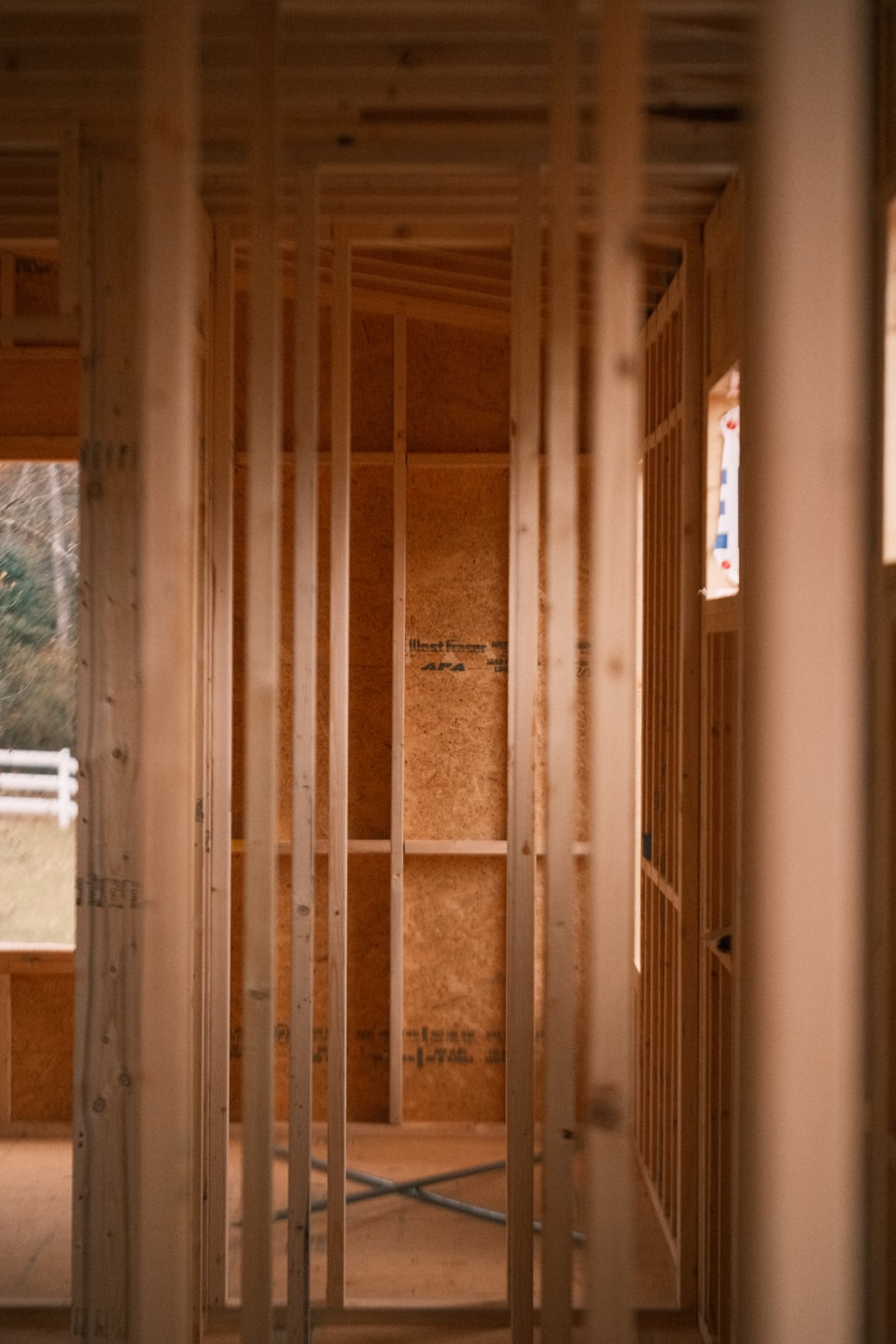
- Underestimating site prep.
- Skipping soil and geotechnical tests.
- Writing vague allowances into the contract.
- Not locking material prices.
- Poor subcontractor scheduling.
- Skipping the pre-construction meeting.
- A weak change order process.
- Ignoring energy code updates.
- Not photographing walls before close-up.
- Skipping a formal punch list.
Why custom home mistakes cost more in 2026
Custom homes are where reputations get made or wrecked. The National Association of Home Builders puts construction costs at about 64 percent of a new home’s sale price, leaving the average builder near 11 percent for profit. Three preventable overruns can wipe that out.
The market is tight too. The Census Bureau clocked housing starts at a 1,177,000 annual rate in May 2026, down about 9 percent from a year earlier, so every job has to pay. Yet the work is there for those who run it well: the Bureau of Labor Statistics projects construction manager jobs to grow about 9 percent through 2034.
The $43,000 lesson that changes how you build
A general contractor in the Phoenix market with 12 years of experience landed what looked like the job of a lifetime: a 4,200 square foot custom home on a hillside lot, a $1.2 million contract. He had built production homes for years, so he figured custom was just a bigger version.
By closeout he had eaten $43,000 he never saw coming. The hillside needed far more site prep than he estimated. The homeowner changed the kitchen three times with no signed change orders. And the framing crew showed up two weeks early because nobody reset the schedule. Every one was preventable, not with more skill but with better questions before the shovel and better records after.
The 10 mistakes, and how to stop each one
None of these are about craftsmanship. They are about process, paperwork, and communication.
-
Underestimating site prep
Production builders get flat, graded pads. Custom lots hide rock, drainage, and big trees that blow up a clearing budget. Walk each lot with your excavation sub and price site prep as its own line with real contingency.
-
Skipping soil and geotechnical tests
A soil test is cheap next to the foundation it protects. Expansive clay can crack a slab, and the helical piers to fix it cost tens of thousands. Make a geotechnical report non-negotiable on every build.
-
Writing vague allowances into the contract
Set allowances too low or too vague and the overage lands on you. Spell out each one: the dollar amount, what it covers, and materials only or installed. Anything above it is a signed change order.
-
Not locking material prices
Custom homes take eight to fourteen months, and prices move. A lumber package quoted early can cost thousands more by framing. Get written quotes with a price lock, and add an escalation clause on long builds.
-
Poor subcontractor scheduling
A custom home runs fifteen to twenty-five trades, and sequence is everything. Book flooring before the heat is on and the installer walks off. Build a week-by-week schedule before you break ground and update it weekly.
-
Skipping the pre-construction meeting
The pre-construction meeting is the cheapest hour on the job. Skip it and you find out during framing that the master bedroom sits two feet off the drawing. Walk the plans with the owner and key subs, and lock every deadline.
-
A weak change order process
Change orders are the number one source of custom home disputes. Verbal yeses and texts fall apart at settlement. Every change gets a written order with scope, price, and schedule impact, signed first. Our guide to construction change orders has the template.
-
Ignoring energy code updates
Energy codes keep tightening, and many jurisdictions now run the 2021 or 2024 IECC. Price off last cycle and you fail inspection, then reseal after the walls close. Confirm the code edition with the building department before you bid.
-
Not photographing walls before close-up
Once drywall goes up, every pipe, wire, and duct disappears. A later warranty call starts with what is behind the wall, and without photos the plumber cuts three holes to find one leak. Shoot every cavity before drywall, organized by room.
-
Skipping a formal punch list
By punch list, everyone is tired and tempted to call a walkthrough done. That earns sixty days of callbacks and dead referrals. Walk every room with a checklist, fix your list first, then walk it with the homeowner. The final draw rides on it.
Estimate accurately with SimplyWise
Most of these mistakes trace back to a wrong number or a missing record. SimplyWise Cost Estimator turns a job site photo into an itemized estimate in about 6 seconds, so your bid stands on real quantities. Price the job from a photo, then let the Receipt Scanner and Mileage Tracker document your real costs. Our guide to bidding a construction job gets the first number right. It is free to try.
Sources
- National Association of Home Builders, Cost of Constructing a Home, 2024 (construction costs 64.4 percent of a new home’s sale price; builder profit 11.0 percent).
- U.S. Census Bureau and HUD, Monthly New Residential Construction, May 2026 (housing starts at a 1,177,000 seasonally adjusted annual rate, 8.7 percent below May 2025).
- U.S. Bureau of Labor Statistics, Occupational Outlook Handbook, Construction Managers (median annual wage $106,980 in May 2024; jobs projected to grow 9 percent from 2024 to 2034).
- Internal Revenue Service, Topic No. 305, Recordkeeping (keep records that support income and expenses on a business return).
The mistakes that sink a custom home are never about skill. They are about the questions you ask before the shovel and the records you keep after.
SimplyWise Editorial
Frequently asked questions about building custom homes
Pricing and margin
What profit margin should I expect on a custom home?
Watch the whole build, not the bid. The National Association of Home Builders puts average builder profit near 11 percent of the sale price, with construction costs eating roughly 64 percent. That thin margin is why three preventable overruns can erase a job’s profit.
Should I use cost-plus or fixed-price contracts for custom homes?
Fixed-price sets the total upfront and puts the cost risk on you, which rewards tight estimating and a clean change order process. Cost-plus bills actual costs plus a fee and lowers your risk but demands full transparency. Unfinished plans lean cost-plus; complete plans lean fixed-price.
Managing the risk
What is the biggest financial risk on a custom home project?
Undocumented scope changes. Site prep surprises, material increases, and schedule slips are real, but they are quantifiable and manageable. Undocumented changes pile up silently, they are hard to recover at settlement, and they turn into disputes. A bulletproof change order process survives the rest.
How much contingency should I carry on a custom home bid?
Most experienced custom builders carry five to ten percent contingency on the total, higher on hillside lots, unusual designs, and first-time clients. Some build it into individual line items instead of one lump sum for tighter control. Keep soil and site prep unknowns in their own contingency.
Build the house. Keep the profit.
Snap a job site photo, get an itemized estimate in about 6 seconds, and back every bid with documented costs. SimplyWise Cost Estimator is free to try.