Jobsite Safety · OSHA Checklist
Construction Safety Checklist: The OSHA Compliance Guide for Contractors
The safety practices that keep your crew alive, your insurance affordable, and OSHA off your job site.
In a hurry? Price a job from a photo in about six seconds.
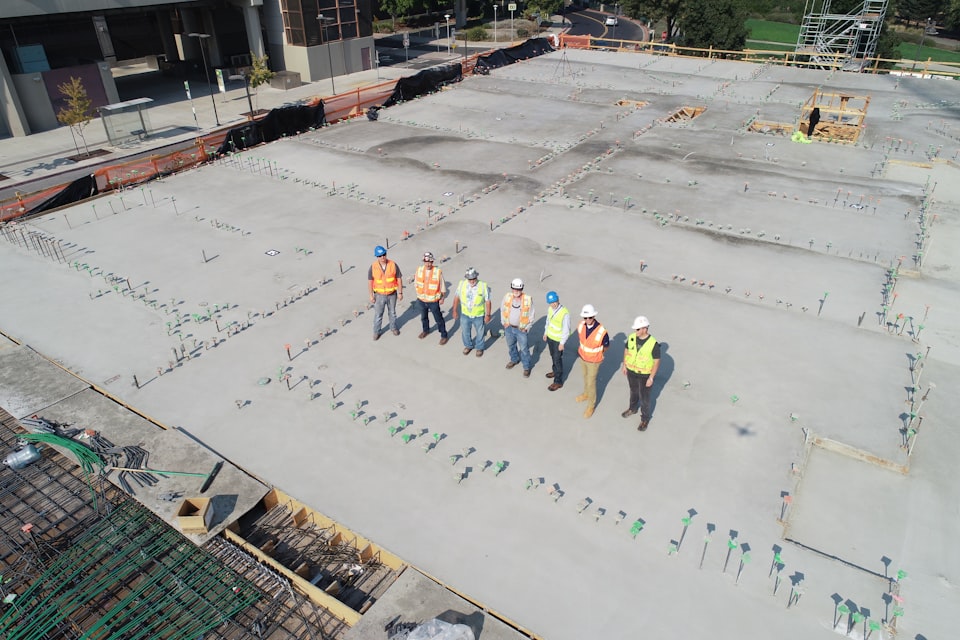
One Violation Can Cost More Than Your Annual Profit
OSHA penalties adjust every year. A single serious, willful, or repeated violation can carry a substantial federal penalty, and instance-by-instance citations can multiply the exposure when the same hazard affects multiple workers.
But fines are not even the worst part. A serious injury shuts your site down, spikes your insurance premiums for years, invites lawsuits, and destroys the reputation you spent a decade building. One bad day can end a business.
The good news: safety compliance is not complicated. It is not expensive. It does not require a full-time safety director or a wall of binders. It requires a system, consistency, and the discipline to follow through every single day.
The reality: BLS fatal-injury data consistently puts construction among the most dangerous sectors, and OSHA construction training materials point contractors toward four core hazards: falls, struck-by incidents, electrocutions, and caught-in or between incidents. Most of the practical controls in this guide are basic daily habits.
The Daily Job Site Safety Checklist

This is what should happen before any work starts. Every day. No exceptions. It takes 10 to 15 minutes and it prevents the kind of incidents that take months to recover from.
Personal Protective Equipment (PPE)
- Hard hats inspected for cracks, dents, and degraded suspension. Replace any hat that has taken a significant impact, even if it looks fine.
- Safety glasses or goggles appropriate for the task. Grinding requires a full face shield, not just glasses.
- High-visibility vests for anyone working near vehicle or equipment traffic.
- Steel-toe or composite-toe boots in good condition with intact soles.
- Hearing protection selected when monitoring, task noise, or your hearing conservation program calls for it.
- Gloves matched to the hazard: cut-resistant for handling sheet metal, chemical-resistant for solvents, impact-resistant for demolition.
Fall Protection
- Guardrails in place on any open edge, floor hole, or platform where OSHA construction fall-protection rules require them.
- Harnesses and lanyards inspected for fraying, stitching damage, and hardware function. Check D-rings and buckles.
- Anchor points rated for 5,000 pounds per worker or designed, installed, and used under the supervision of a qualified person.
- Safety nets where guardrails and harnesses are not feasible.
- Ladder placement verified: 4-to-1 ratio, secured at the top, and extending at least 3 feet above the landing when used for access.
Electrical Safety
- GFCI protection used on temporary construction power where OSHA requires ground-fault protection.
- Cords inspected for cuts, exposed wiring, and damaged plugs. Remove damaged cords immediately.
- Lockout/tagout procedures confirmed for any work near live circuits.
- Overhead power lines identified and marked, with at least 10 feet of clearance for lines under 50kV and greater distances for higher voltages.
Scaffolding
- Erected on firm, level footing with base plates and mudsills.
- All planking fully decked, secured, and free of defects.
- Guardrails, midrails, and toeboards installed on open sides when scaffold fall-protection rules require them.
- Access ladders provided. Workers should never climb scaffold frames unless the scaffold is designed and permitted for that access.
- Competent person inspection before each shift and after any event that could affect the scaffold’s structural integrity.
General Site Conditions
- Housekeeping completed: debris cleared, walking paths open, materials stacked and secured.
- Excavations inspected for cave-in potential. Protective systems in place for excavations 5 feet or deeper unless an OSHA-recognized exception applies.
- Fire extinguishers accessible, charged, and appropriate for the hazards present.
- First aid kit stocked and accessible. When medical services are not reasonably accessible, have a person with current first aid training available as OSHA requires.
- Emergency numbers posted: local EMS, nearest hospital address, company safety contact.
When the checklist turns up a fix that needs pricing, SimplyWise Cost Estimator can turn a photo into an itemized estimate in about 6 seconds. Free to try.
OSHA’s “Focus Four” Hazards
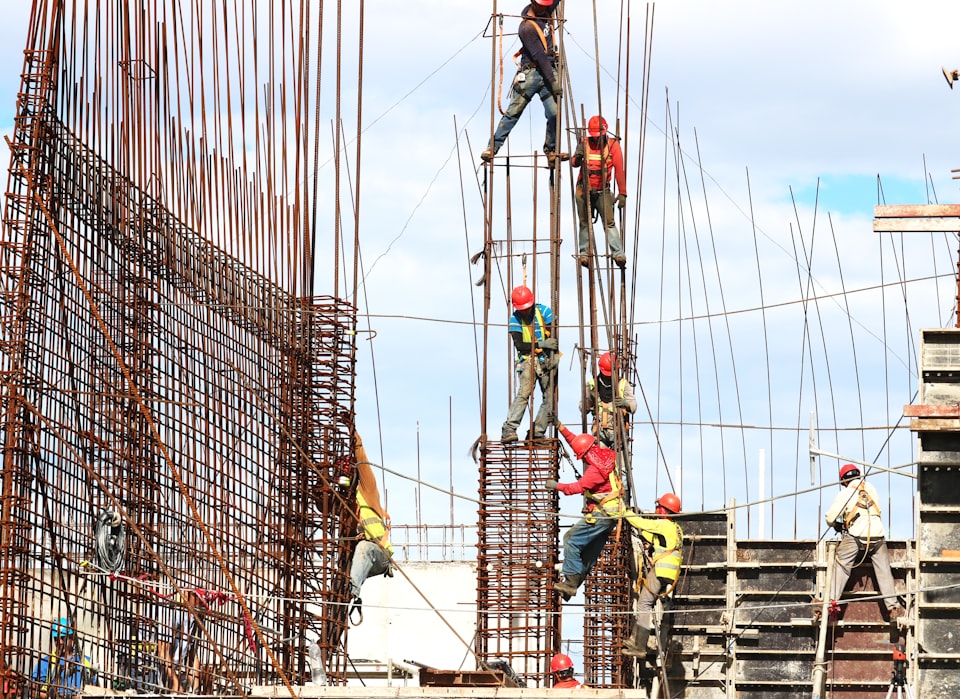
OSHA construction training materials group four hazards as the “Fatal Four” or “Focus Four.” If you do nothing else, make these the first hazards you control on every job site.
1. Falls (the number one killer)
Falls usually account for the largest share of construction fatalities. They happen from roofs, ladders, scaffolds, and unprotected edges. Most are preventable with basic fall protection: guardrails, personal fall arrest systems, or safety nets.
What to enforce: Fall protection is required at 6 feet in many general construction settings under OSHA’s construction fall-protection standard. Period. No “it will only take a minute.” No “I have been doing this for 20 years.” Experienced workers can get complacent, and physics does not care about experience.
2. Struck-By
Workers can be hit by falling objects, swinging loads, vehicles, or rolling equipment. This includes everything from a brick falling off a scaffold to a dump truck backing over a worker in a blind spot.
What to enforce: Hard hats at all times. Toeboards and debris nets on scaffolds. Spotters for heavy equipment. Barricades around crane swing radiuses. High-vis vests near any vehicle traffic. Secure all tools and materials at height.
3. Electrocution
Contact with overhead power lines is a common cause, followed by contact with live circuits during renovation work and improper use of extension cords and power tools.
What to enforce: Maintain minimum clearance from power lines: at least 10 feet for lines under 50kV, with greater distances for higher voltages. Use GFCI protection on temporary construction power where required. Implement lockout/tagout for electrical work. Never modify plugs or bypass grounding prongs.
4. Caught-In/Between
Workers can be caught in or compressed by equipment, objects, or collapsing structures. Trench cave-ins are among the most lethal examples. Unguarded machinery, rotating parts, and collapsing walls also fall in this category.
What to enforce: Trench protection such as sloping, shoring, or trench boxes for excavations 5 feet or deeper unless an OSHA-recognized exception applies. Machine guarding on rotating and moving parts. Never enter an unprotected trench, even “just for a second.”
The bottom line: Eliminating these four hazards would prevent many deaths and serious injuries. The protections are straightforward, affordable, and well documented.
Toolbox Talks That Actually Work

A toolbox talk is a short safety meeting at the start of the shift. Done right, it is the single most effective daily safety practice you can implement. Done wrong, it is a checkbox exercise that everyone tunes out.
What Makes a Good Toolbox Talk
- Keep it short. Five minutes is ideal. Ten is the maximum. Anything longer and you lose the crew.
- Make it specific to today’s work. If you are pouring concrete today, talk about silica dust and form blowouts. If you are doing roofing, talk about fall protection and heat illness. Generic talks are forgettable.
- Ask questions instead of lecturing. “What are the hazards we are going to run into today?” gets more engagement than reading from a sheet. Let the crew identify hazards. They know the work better than any safety manual.
- Use recent incidents. A near-miss from last week, an injury report from another job, or an OSHA alert from your trade is more impactful than hypothetical scenarios.
- Document it. Date, topic, who attended. A sign-in sheet takes 30 seconds and helps prove you conducted training if OSHA ever asks.
Weekly Toolbox Talk Topics (Rotating Schedule)
| Week | Topic | Key Points |
|---|---|---|
| 1 | Fall protection | Harness inspection, anchor points, 6-foot rule |
| 2 | Electrical safety | GFCI, cord inspection, overhead lines, lockout/tagout |
| 3 | Trenching and excavation | Soil types, protective systems, competent person duties |
| 4 | PPE proper use | Fit testing, replacement criteria, task-specific selection |
| 5 | Heat illness prevention | Water, rest, shade, acclimatization, recognizing symptoms |
| 6 | Scaffolding safety | Erection standards, load limits, inspection requirements |
| 7 | Hazard communication | SDS access, chemical labeling, right-to-know |
| 8 | Housekeeping and slips/trips | Debris removal, walking paths, material storage |
Pro tip: Rotate who leads the toolbox talk. When a crew member has to present, they pay closer attention to the topic all week. It also builds a culture where safety is everyone’s responsibility, not just the boss nagging.
Documentation and Record-Keeping
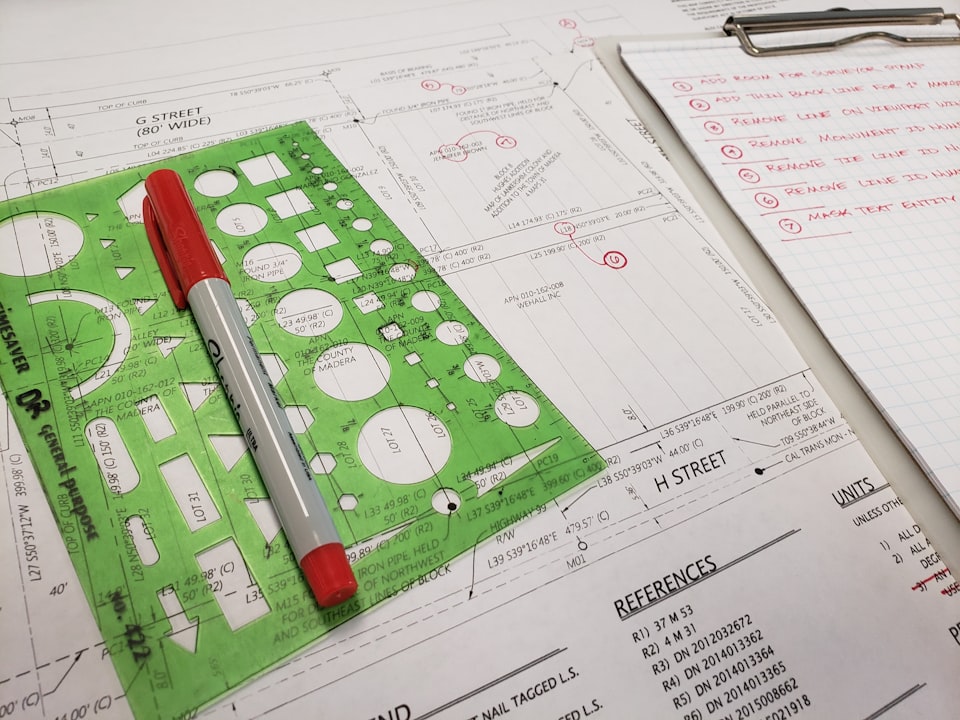
If it is not documented, it did not happen. That is not just a saying. That is how OSHA, insurance adjusters, and plaintiff attorneys operate. The contractor with documentation wins. The contractor without it pays.
Incident Reports
Any injury, illness, or near-miss should be documented quickly while the facts are fresh. Your incident report should include:
- Date, time, and exact location of the incident
- Name and job title of the injured worker
- Description of what happened, factual and not speculative
- Witnesses and their statements
- Photos of the scene, equipment, and conditions
- Immediate corrective actions taken
- Root cause analysis: what failed and why
OSHA requires covered employers to report any work-related fatality within 8 hours and any work-related in-patient hospitalization, amputation, or loss of an eye within 24 hours. Missing these deadlines can trigger additional penalties.
Training Records
For every safety training session, document:
- Date and duration of training
- Topic covered and materials used
- Name and qualifications of the trainer
- Attendee sign-in sheet with printed names and signatures
- Competency verification: quiz, demonstration, or verbal confirmation
Training records may be requested for topics covered by OSHA standards, including hazard communication, fall protection, scaffolding competent person, confined space, excavation competent person, respiratory protection, and equipment-specific training such as forklifts, aerial lifts, and cranes.
Inspection Records
- Daily site inspections with date, inspector name, findings, and corrective actions
- Equipment inspection logs for scaffolds, cranes, forklifts, and aerial lifts
- Fire extinguisher inspection tags and maintenance records when portable extinguishers are part of your program
- Ladder inspections before each use, with defective equipment removed from service
OSHA Logs
If you had more than 10 employees at any point during the previous calendar year and are not otherwise exempt, OSHA generally requires injury and illness recordkeeping forms:
- OSHA 300 Log (Log of Work-Related Injuries and Illnesses)
- OSHA 300A Summary (posted in the workplace from February 1 through April 30 each year)
- OSHA 301 Form (individual incident report for each recordable injury)
These records must be retained for 5 years following the end of the calendar year they cover.
The bottom line: Spend 15 minutes a day on documentation now, or spend weeks dealing with an OSHA investigation, insurance dispute, or lawsuit later. The math is obvious.
For safety upgrades that need a quick price, SimplyWise Cost Estimator turns a photo into an itemized estimate in about 6 seconds. Free to try with a 7-day free trial.
Subcontractor Safety Requirements
Here is something many GCs learn the hard way: you can be cited for your subcontractor’s safety violations. OSHA’s multi-employer citation policy means a controlling employer can be responsible for hazards it could reasonably have detected and corrected.
Before any sub starts work on your site, require the following:
Pre-Qualification Documents
- Written safety program appropriate for their trade
- Experience Modification Rate (EMR) from their workers comp carrier. An EMR above 1.0 generally means worse-than-average loss experience, and a much higher EMR is a red flag.
- Certificate of insurance with adequate limits and your company listed as additional insured
- OSHA 300A summary for the past 3 years, if they are required to maintain one
- Safety training records for the workers who will be on your site
- Competent person designation for any work requiring one, such as scaffolding or excavation
On-Site Requirements
- Attend your site safety orientation before starting work
- Participate in daily toolbox talks
- Follow your site-specific safety plan, not just their own
- Report all incidents, injuries, and near-misses to you immediately
- Correct any safety violation within the timeframe you specify or face removal from the site
Put It in the Subcontract
Your subcontract agreement should include a safety clause that covers compliance obligations, the right to stop unsafe work, indemnification for safety violations, and the right to back-charge for safety corrections you have to make on their behalf.
This is not being difficult. This is protecting your license, your insurance rates, and your business. Any sub who pushes back on basic safety requirements is not someone you want on your job site.
When OSHA Shows Up: What to Do During an Inspection
An OSHA compliance officer at your gate is not the end of the world. How you handle the next few hours determines whether you get a handshake or a stack of citations.
Before the Inspection
- Have a plan. Designate someone, ideally you or your safety manager, as the OSHA point of contact. Every crew member should know who to get if an inspector arrives.
- Keep your documentation accessible. OSHA logs, training records, safety programs, and inspection records should be on site or immediately retrievable.
During the Opening Conference
- Ask for credentials and write down the inspector’s name and office.
- Ask the reason for the inspection, such as a complaint, referral, programmed inspection, or fatality or accident investigation.
- Ask about the inspection scope and your rights. Call counsel before refusing entry or insisting on a warrant.
- Assign someone to accompany the inspector at all times. Take notes on everything they look at, photograph, and say.
During the Walkaround
- Be professional and cooperative. Answer questions honestly but do not volunteer information beyond what is asked.
- Do not argue or make excuses. If the inspector points out a hazard, acknowledge it and correct it immediately if possible.
- Take your own photos of everything the inspector photographs. Match their angles.
- Document worker interviews. Note who the inspector spoke with and for how long.
- Fix obvious hazards on the spot. Immediate correction demonstrates good faith and can reduce penalties.
During the Closing Conference
- Listen to the inspector’s findings without agreeing or disagreeing.
- Ask questions about anything unclear.
- Request copies of any photos taken.
- Note the proposed abatement dates.
- Thank them for their time. Professionalism matters.
After the Inspection
- Document everything while it is fresh. Write a complete summary of the inspection.
- Correct all cited hazards by the abatement date. Photograph the corrections.
- If you receive citations, you have 15 working days to contest them. Consult an attorney who specializes in OSHA law before that deadline.
- Use the inspection as a training opportunity. Share findings with your crew and update your safety program to address any gaps.
Pro tip: OSHA offers free, confidential on-site consultation through state programs. These consultations help you identify and fix hazards without the risk of citations or penalties from the consultation visit.
Keep Reading
- The Construction Insurance Guide for Contractors: Safety and insurance go hand in hand. Fewer incidents means lower premiums.
- How to Start a Construction Business in 2026: Building safety into your operation from day one saves years of headaches.
- How to Hire and Manage Subcontractors: Safety pre-qualification is the first step in hiring subs who will not cost you.
Sources
- OSHA, Penalties (annual penalty adjustments and penalty categories).
- OSHA, Top 10 Most Frequently Cited Standards (fall protection and other frequently cited standards).
- U.S. Bureau of Labor Statistics, Census of Fatal Occupational Injuries (fatal occupational injury data used for construction fatality framing).
- OSHA 29 CFR 1926.50, Medical Services and First Aid (first aid availability requirements).
- OSHA 29 CFR 1926.52, Occupational Noise Exposure (construction noise exposure requirements).
- OSHA 29 CFR 1926.501, Duty to Have Fall Protection (construction fall-protection requirements).
- OSHA 29 CFR 1926.502, Fall Protection Systems Criteria and Practices (personal fall arrest systems, guardrails, safety nets, and anchor criteria).
- OSHA 29 CFR 1926.1053, Ladders (ladder access and placement requirements).
- OSHA 29 CFR 1926.404, Wiring Design and Protection (temporary power and ground-fault protection rules).
- OSHA 29 CFR 1926.416, General Electrical Protection (work near electrical circuits and overhead lines).
- OSHA 29 CFR 1926.417, Lockout and Tagging of Circuits (controls for work on circuits).
- OSHA 29 CFR 1926.451, Scaffolds (scaffold access, inspection, and fall-protection requirements).
- OSHA 29 CFR 1926.652, Requirements for Protective Systems (excavation and trench protective systems).
- OSHA, Report a Fatality or Severe Injury (8-hour and 24-hour reporting deadlines).
- OSHA, Recordkeeping Requirements (OSHA 300, 300A, 301, posting, and retention rules).
- OSHA CPL 02-00-124, Multi-Employer Citation Policy (controlling employer citation framework).
- OSHA, On-Site Consultation Program (free and confidential consultation for small and medium-size businesses).
Frequently Asked Questions
How often should I conduct job site safety inspections?
Daily walkthroughs are the minimum. Do a quick visual inspection every morning before work starts and a more thorough documented inspection at least once a week. High-risk activities like trenching, roofing, or steel erection should get inspections before each shift.
What are the most common OSHA violations in construction?
Fall protection (29 CFR 1926.501) has been OSHA’s most cited standard for many recent fiscal years. Scaffolding requirements, ladder safety, hazard communication, and fall protection training also appear frequently in OSHA citation data.
Am I responsible for my subcontractors’ safety violations?
Yes, in some cases. As the general contractor or controlling employer, OSHA can cite you for hazards created by your subcontractors if you had the ability to prevent or correct the violation. This is why pre-qualification and written safety requirements for subs are not optional.
Do I need a written safety program if I have fewer than 10 employees?
Federal OSHA does not impose one universal written safety program requirement solely because you have fewer than 10 employees, but specific OSHA standards, contracts, and state OSHA plans may require written program elements. Even when a written program is not required, having one protects you in lawsuits, insurance audits, and OSHA inspections.
What should I do if a worker refuses to follow safety rules?
Document every instance in writing. Give a verbal warning first, then a written warning, then removal from the job site. You must be able to show OSHA that you have a disciplinary policy and that you enforce it consistently. A worker who refuses PPE is a liability to your entire company.
How long do I need to keep safety training records?
Retention rules vary by OSHA standard. Keep training records at least for the duration of employment unless a specific standard, contract, or state plan requires longer retention. Injury and illness logs such as OSHA 300 records must be kept for 5 years. Best practice is to keep all safety records for at least 7 years.
Turn the next safety fix into an itemized estimate.
The SimplyWise Cost Estimator turns a photo into an itemized estimate in about 6 seconds, so you can price small corrective work while the issue is still fresh. Free to try with a 7-day free trial.