Contractors · Win the Job
How to Write a Construction Proposal That Wins in 2026
A plain playbook for a construction proposal that turns estimates into signed contracts: lead with an executive summary, nail the scope, and quote fast off a solid number. Grounded in Bureau of Labor Statistics data.
In a hurry? Price a job from a photo in about six seconds.
Why your construction proposal wins or loses the job
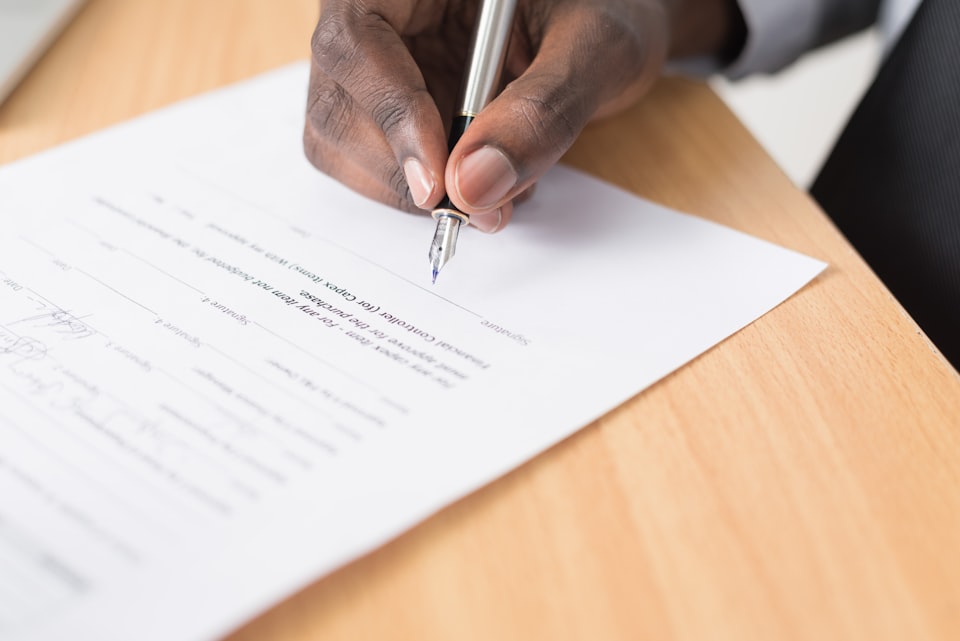
Your construction proposal is your first deliverable. Before a client sees a single stud go up, it shows how you organize, communicate, and take their project seriously. A homeowner about to hand over tens of thousands of dollars reads it as a stand-in for how you will run the job.
Picture a general contractor in Phoenix who walks a full kitchen and bath remodel, then sends a one-page total typed in a word processor. Two weeks later the couple signs with a pricier contractor whose proposal just felt more professional. That is an $80,000 job lost on presentation, not skill.
The fix is a repeatable structure. Here is the construction proposal playbook contractors actually run in 2026, in six steps.
How to write a construction proposal in 6 steps
-
Start with a fast, itemized estimate
You cannot write a convincing proposal until you have a solid number, and a detailed takeoff can eat an evening. The SimplyWise Cost Estimator turns a job site photo into an itemized estimate in about 6 seconds. Adjust it for your market, add your markup, and price the job from a photo instead of staring at a blank page.
-
Open with a one-page executive summary
The person you hand it to is rarely the only decision maker; a spouse or property manager will flip through it fast. Give them a standalone first page: project name and address, a one-line description, total cost, timeline, payment summary, and your license number and phone. It is the page that gets forwarded in a text.
-
Write a specific scope of work
This is the backbone. List every task in plain language. Not “demolition” but “remove the cabinets, countertops, and flooring and haul the debris.” Then list your exclusions just as clearly: permit fees, engineering drawings, and structural repairs behind the walls. Clear exclusions kill the “I thought that was included” fight later.
-
Add a timeline with milestones
Give a start date, key milestones, and a completion date. You do not need a full chart for a residential job: rough-in in weeks one and two, drywall in week three, finishes through week five, and paint and walkthrough in week six. It shows the client you have sequenced the work.
-
Set payment terms tied to milestones
Spell out how and when you get paid: a deposit at signing to order materials, progress payments tied to milestones like a passed rough-in inspection, and a final payment at substantial completion. Tied to milestones instead of calendar dates, the client pays for finished work and you never finance the job yourself.
-
Format it clean and send it within 24 hours
Clean presentation wins. Use clear headers and white space, add your logo, include two or three photos of past work, and send a named PDF, never a raw document link. Move fast: a proposal within 24 hours of the visit beats one that lands a week later. Our guide on how to bid a construction job covers the estimating math.
Quote faster with SimplyWise
A strong construction proposal dies when the estimating drags on for hours. The SimplyWise Cost Estimator turns a photo into an itemized estimate in about 6 seconds, so the takeoff happens on site, not at the kitchen table. Price the job from a photo, check it against your markup, and send the proposal before a competitor starts theirs. The SimplyWise Receipt Scanner and Mileage Tracker companion apps capture the real costs behind every bid. See our guide on winning contracting bids. It is free to try.
What the numbers say about the field you compete in
The Bureau of Labor Statistics counts construction managers as a large, well-paid field: about 380,360 employed as of May 2025, earning a median of $114,990 per year. On any real remodel you are one of several credible bidders.
That is the whole point of the proposal. When your price sits in a stack of dense, confusing bids, the one that is clean, specific, and easy to scan in 60 seconds gets signed.
Sources
- U.S. Bureau of Labor Statistics, Occupational Outlook Handbook, Construction Managers (occupation overview and median pay).
- U.S. Bureau of Labor Statistics, Occupational Employment and Wage Statistics, May 2025, Construction Managers (380,360 employed, median $114,990 per year).
Your proposal is your first deliverable. It is the client’s first read on how you organize, communicate, and price. Win it there.
SimplyWise Editorial
Frequently asked questions about construction proposals
Structure and length
How long should a construction proposal be?
For residential projects, aim for 3 to 5 pages plus supporting documents like photos or spec sheets. Commercial proposals run longer, but still lead with a one-page executive summary. If the client has to hunt for the price or the timeline, it is too long or poorly organized.
What is the difference between an estimate, a bid, and a proposal?
An estimate is a rough cost projection, often verbal or in a simple format. A bid is a formal price submission, usually in response to a specific request. A proposal is the full package: the price plus the scope, timeline, payment terms, and everything else the client needs to decide with confidence.
How do I handle a proposal when the scope is still unclear?
Use an allowances based approach. Define the known scope with firm pricing, then list uncertain areas as allowances with a stated range. If you have not opened the walls yet, add an allowance for possible plumbing or framing repairs, and make it clear the final cost depends on the conditions you find.
Credibility and delivery
Should I include my contractor license number in the proposal?
Yes. Include your license number, insurance carrier, and bonding status. Many states require it, and even where they do not, it signals professionalism. A homeowner comparing contractors notices when one proposal puts credentials front and center and another leaves them out.
Should I send the proposal by email or present it in person?
For projects over $15,000 to $20,000, present it in person or over a video call when you can, so you can explain the value behind each line item and answer questions live. For smaller jobs, a well formatted PDF by email is fine. Either way, follow up within 48 hours.
How soon after the site visit should I send the proposal?
Within 48 hours is ideal, and within 24 hours is a real advantage. Speed signals professionalism and hunger for the work. Wait too long and the client has likely received another proposal and started committing to that contractor. If you need time for sub quotes, send a scope outline within 24 hours.
Turn estimates into signed contracts.
Turn a job site photo into an itemized estimate in about 6 seconds, then build a construction proposal that wins. Free to try.