7 Questions Every Client Asks Before Hiring a Contractor (And How to Answer Them)
Nail these answers and you will close more jobs, charge higher prices, and build a reputation that sells itself.

The Real Reason Contractors Lose Jobs
Here is what most contractors get wrong about losing bids: they think it was the price.
Sometimes it is. But far more often, the client chose someone else because they felt more confident in that person. Not more impressed. Not wowed by a flashy truck wrap or a fancy website. Just more confident that the work would get done right, on time, and without surprises.
Confidence comes from how you answer questions. Every single client, whether it is a first-time homeowner or a seasoned property investor, runs through roughly the same checklist in their head before signing a contract. They may not ask every question out loud. But they are thinking about all of them.
If you have clear, honest, specific answers ready for these seven questions, you will close more work. Not because you are cheaper. Because you are the contractor who made the client feel like they were in good hands.
Clients do not hire the cheapest contractor. They hire the one who answers their questions best. The seven questions below are the ones that matter most. Get them right and you are already ahead of the competition.

1. “How Much Will This Cost?”
This is always the first question. And the worst thing you can do is just throw out a number.
When a client asks about cost, they are really asking two things: “Can I afford this?” and “Am I going to get ripped off?” Your job is to answer both without making them feel like you are dodging.
Frame value, not just price. Instead of saying “A kitchen remodel runs about $40K to $60K,” walk them through what drives that range. Cabinet quality, countertop material, plumbing changes, electrical upgrades, permit requirements. When a client understands why the number is what it is, the price stops feeling arbitrary.
Give ranges early, details later. On the first call or site visit, a ballpark range is fine. Clients respect honesty like “Based on what you are describing, most projects like this in our area run between X and Y. I will get you a detailed breakdown after I measure and scope everything out.” That is a thousand times better than “I will have to get back to you.”
Break it down in writing. When you deliver the formal estimate, line items matter. A single lump sum number invites comparison shopping. A detailed estimate with labor, materials, permits, and cleanup broken out shows the client exactly where their money goes. It also makes it harder for a competitor with a thin scope to look like a better deal.
Show the client what is included, not just what it costs. A detailed, itemized estimate tells the story of the project. A lump sum just tells them a number they can compare to a lower one.
2. “How Long Will It Take?”
Under-promising on timeline is one of the most common mistakes in contracting. Not because contractors are dishonest. Because they want the job and they know clients want to hear “three weeks” instead of “five to six weeks.”
Here is the problem: when you miss the timeline you promised, you lose all the trust you built during the sale. The client does not remember that you were the most qualified or the most affordable. They remember that you said three weeks and it took seven.
Build in buffer and explain why. Tell the client your realistic timeline, then add a buffer for weather, material delays, inspections, and the unexpected. “The work itself takes about four weeks. With inspections and a buffer for weather or delivery delays, I schedule six weeks start to finish. I would rather give you a date I can beat than one I might miss.”
Break the timeline into phases. Clients get anxious when they do not understand what is happening and when. Even a simple timeline like “Week 1: demo and rough-in. Week 2-3: framing and electrical. Week 4: finishes and punch list” gives them something to follow. It also makes delays easier to explain because you can point to the specific phase that shifted.
Address the biggest timeline killer upfront. Materials. If the client picks a custom vanity with a 12-week lead time, they need to know that before you start demo. Get selections locked in early and make sure the client understands how their choices affect the schedule.
A realistic timeline with a buffer beats an optimistic one every time. The contractor who finishes ahead of schedule looks like a hero. The one who finishes two weeks late looks unreliable, even if the work is excellent.

3. “Are You Licensed and Insured?”
Some clients ask this directly. Others check your state licensing board online before you even show up. Either way, you need to be ready.
Have your documents accessible. Your contractor license, general liability insurance certificate, and workers comp certificate (if applicable) should be available as PDFs on your phone or in a shared folder you can send in 30 seconds. Do not make the client wait two days while you dig through a filing cabinet.
Offer it before they ask. This is a power move that most contractors miss. When you are walking through your proposal, drop in something like “I have included my license number and insurance info on page two. If you want to verify anything, here is the link to the state licensing board.” That single sentence does more for trust than any sales pitch.
Know your numbers. Your license number, your insurance policy limits, when your coverage renews, and what it covers. If a client asks “What happens if one of your guys gets hurt on my property?” and you stumble through the answer, that is a red flag they will not forget.
Relevant certifications matter too. EPA Lead-Safe certification, OSHA training, manufacturer certifications for roofing or HVAC. These are not just resume padding. They are proof that you take the work seriously. Mention them when they are relevant to the project.
Include your license number, insurance info, and relevant certifications on every written estimate. Clients who see it without asking feel more confident. Clients who were going to ask feel like you read their mind.

4. “Can I See Examples of Your Work?”
Every client wants proof. They want to see that you have done this type of work before and that it turned out well. The problem is that most contractors either have no photos or have a random collection of job site pictures that do not tell a story.
Build a simple portfolio. You do not need a professional photographer. You need before-and-after photos of your best work, organized by project type. A phone album labeled “Kitchen Remodels” with 8-10 good before-and-after sets is more powerful than a fancy website with stock photos.
Show the process, not just the result. Clients love seeing the mid-project photos because it proves you actually did the work. A framing photo, a rough-in shot, a tile layout in progress. These build credibility in a way that a finished glamour shot cannot.
Lean on Google reviews. If you have 30+ reviews with a 4.5+ rating, that is social proof that no portfolio can match. When a client asks about past work, share your photos and then say “You can also check out our Google reviews. We have got [number] reviews with a [rating] average.” Let other people sell for you.
Reference similar projects. When showing your work, connect it to the client’s project. “This kitchen is actually similar to yours. Same layout, similar budget. The client went with quartz counters and shaker cabinets.” That specificity makes the client picture their own project with your quality.
A strong portfolio and good reviews close more jobs than a polished sales pitch. Start photographing every project. Before, during, and after. Your future bids depend on the photos you take today.
5. “What Happens If Something Goes Wrong?”
This is the question clients are most afraid to ask. They have heard the horror stories. Contractor disappears mid-project. Subcontractor damages the foundation. Water leaks show up six months after the bathroom remodel. They want to know you have a plan.
Lead with your warranty. If you offer a workmanship warranty, put it in writing and present it as part of your proposal. “We include a two-year workmanship warranty on all of our projects. If something we installed fails or needs repair within that window, we come back and fix it at no cost.” That single sentence eliminates a massive source of client anxiety.
Explain your communication plan. Most “something went wrong” situations are not catastrophic failures. They are miscommunications, unexpected conditions behind a wall, or a subcontractor running behind schedule. Tell the client how you handle those moments. “If we run into something unexpected, I call you the same day, explain the situation, and give you options before we proceed. You are never going to get a surprise on your invoice.”
Talk about change orders before they happen. Clients hate surprises. Explain your change order process upfront: any changes to scope get documented in writing with a price and timeline impact before any additional work starts. No verbal “yeah we can add that” that turns into a billing dispute later.
Reference your insurance. For larger projects, remind the client that your liability insurance and workers comp coverage protect them. If a pipe bursts during demo and damages the finished living room, your insurance handles it. That is not just a selling point. It is a genuine safety net the client needs to know about.
A written warranty and a clear change order process tell the client you have done this enough times to have systems in place. That is exactly the kind of confidence that wins jobs.
6. “Who Will Actually Be Doing the Work?”
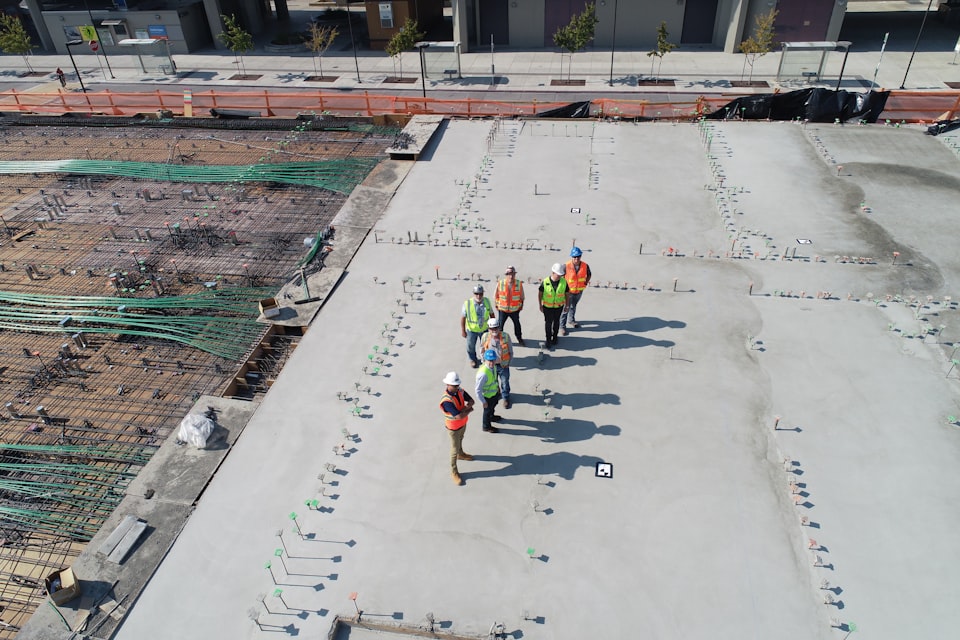
The client met you. They liked you. They trusted you. Then on day one, a crew shows up that they have never seen before, and you are nowhere to be found. This is the fastest way to lose a client’s confidence after they have already signed.
Be transparent about your crew. If you use subcontractors, say so. “I personally manage every project and I am on site daily. I use a specialized tile crew for the bathroom work and a licensed electrician for the panel upgrade. Both have been with me for years.” That is honest, professional, and reassuring.
Introduce the team. If possible, tell the client who will be on site. First names, roles, how long they have worked with you. Even a quick text on day one: “Hey, my lead carpenter Mike will be there at 8 AM to start demo. He has been with me for six years. I will be by at lunch to check progress.” That tiny effort makes a huge difference.
Set expectations about your presence. If you are running multiple jobs (and most contractors are), do not pretend you will be on site eight hours a day. Be upfront: “I manage three to four projects at a time. I check every site in the morning and afternoon, and I am always reachable by phone or text. If you need me there for something specific, just let me know and I will be there.”
Explain accountability. The client wants to know who to call if there is a problem. Make it simple: “You always call me. Not the crew, not the sub. I am your single point of contact for everything on this project.” That clarity is worth more than any marketing tagline.
Clients hire you, not your company name. They want to know you are involved, your crew is qualified, and there is one person to call when they have a question.
7. “What Is Not Included?”
This is the question that separates professionals from amateurs. And most of the time, the client will not even think to ask it. That is exactly why you need to answer it proactively.
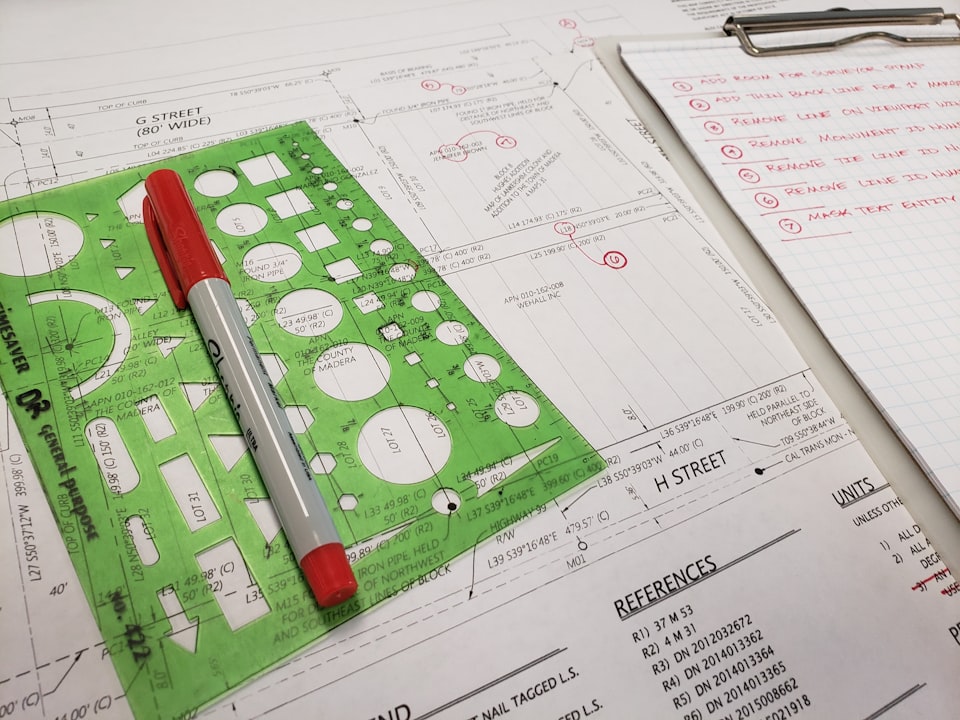
Clear exclusions prevent disputes. The number one source of conflict in contracting is mismatched expectations about what was included. The client assumed you were painting the trim. You assumed they knew trim was not in the scope. Nobody wins that argument.
Build an exclusions section into every estimate. Right after your scope of work and pricing, include a clear list of what is NOT included. Common exclusions to address:
- Permits and inspection fees (or state that they ARE included)
- Dumpster and debris removal
- Landscaping repair or protection
- Furniture and appliance moving
- Painting or touch-up outside the work area
- Structural repairs discovered after demo
- Fixture and finish selections (if client is supplying)
- Temporary utilities or portable restroom
Frame exclusions as protection for the client. Do not present the list like fine print designed to cover yourself. Present it as clarity: “I like to be upfront about what is and is not included so there are no surprises on either side. Here is exactly what this price covers and here is what it does not.”
Use exclusions to upsell naturally. When you list an exclusion, you can offer to add it. “Dumpster and debris removal is not included in this price, but I can add it for [range] if you would rather not deal with it.” The client appreciates the transparency, and you often pick up additional scope without a hard sell.
The contractors who spell out exclusions look more professional, not less generous. A clear exclusions list is a sign that you have done enough projects to know where misunderstandings happen.
Put These Answers in Writing and You Are Already Ahead
Here is the thing about these seven questions: every client is thinking about them whether they ask out loud or not. The contractor who addresses all seven proactively, in their proposal, on their website, or during the sales conversation, wins more work. Period.
You do not need to memorize scripts. You need systems. A detailed estimate template that includes your license info, an exclusions section, and a warranty statement. A phone album with organized project photos. A simple timeline breakdown you can walk through on any job.
Most contractors are good at the work. The ones who grow are good at the conversation before the work. They answer questions clearly, put things in writing, and make the client feel like they are the obvious choice.
Do that consistently and you will not just close more jobs. You will close better jobs, at higher prices, with clients who respect your process and refer you to everyone they know.
That is how you build a contracting business that grows itself.
Frequently Asked Questions
Win More Jobs with Professional Estimates
Detailed, accurate estimates build the kind of trust that closes deals. SimplyWise generates cost estimates from a photo in 6 seconds so your proposals are backed by real data, not guesswork.